Ledger Live Login: A Complete Guide to Securely Accessing Your Cryptocurrency Portfolio
Cryptocurrency has grown rapidly as an asset class, providing individuals with opportunities for investment, trading, and decentralized finance. As these digital assets increase in value, security becomes paramount. Managing cryptocurrency safely is more than just storing coins—it requires access to reliable tools that protect your assets while offering ease of use. Ledger Live, the official software companion for Ledger hardware wallets, serves this purpose. Central to its functionality is the Ledger Live login, the process by which users securely access their portfolios. Understanding how to log in safely, manage accounts, and troubleshoot common issues is essential for anyone using Ledger devices.
What is Ledger Live Login?
Ledger Live login is the procedure through which users access their cryptocurrency accounts using Ledger Live software in combination with a Ledger hardware wallet. Unlike typical online platforms, Ledger Live does not store your private keys online. Instead, the hardware wallet keeps them offline, providing a secure “cold storage” environment.
The login process ensures that only the device owner can authorize transactions and view account balances. It involves connecting a Ledger device to the Ledger Live application, verifying the device, and confirming access using a PIN code set on the hardware wallet. This process keeps digital assets safe from hackers, phishing attacks, and malware.
Why Ledger Live Login is Important
The login process is a critical security measure for several reasons:
Protecting Private Keys: Ledger Live login ensures private keys never leave the hardware wallet. Private keys are the most sensitive part of cryptocurrency ownership, and exposure could lead to theft.
Preventing Unauthorized Access: The login process requires both physical access to the hardware wallet and the correct PIN, making it extremely difficult for unauthorized users to access funds.
Secure Transaction Authorization: Every transaction executed through Ledger Live must be confirmed on the hardware device after login. This prevents malware or remote attackers from sending assets without your consent.
Maintaining Portfolio Integrity: The login ensures users see accurate, real-time balances and transaction history, reducing the risk of errors or confusion in portfolio management.
How to Log in to Ledger Live
Logging into Ledger Live is straightforward but requires attention to detail to ensure security. The steps are as follows:
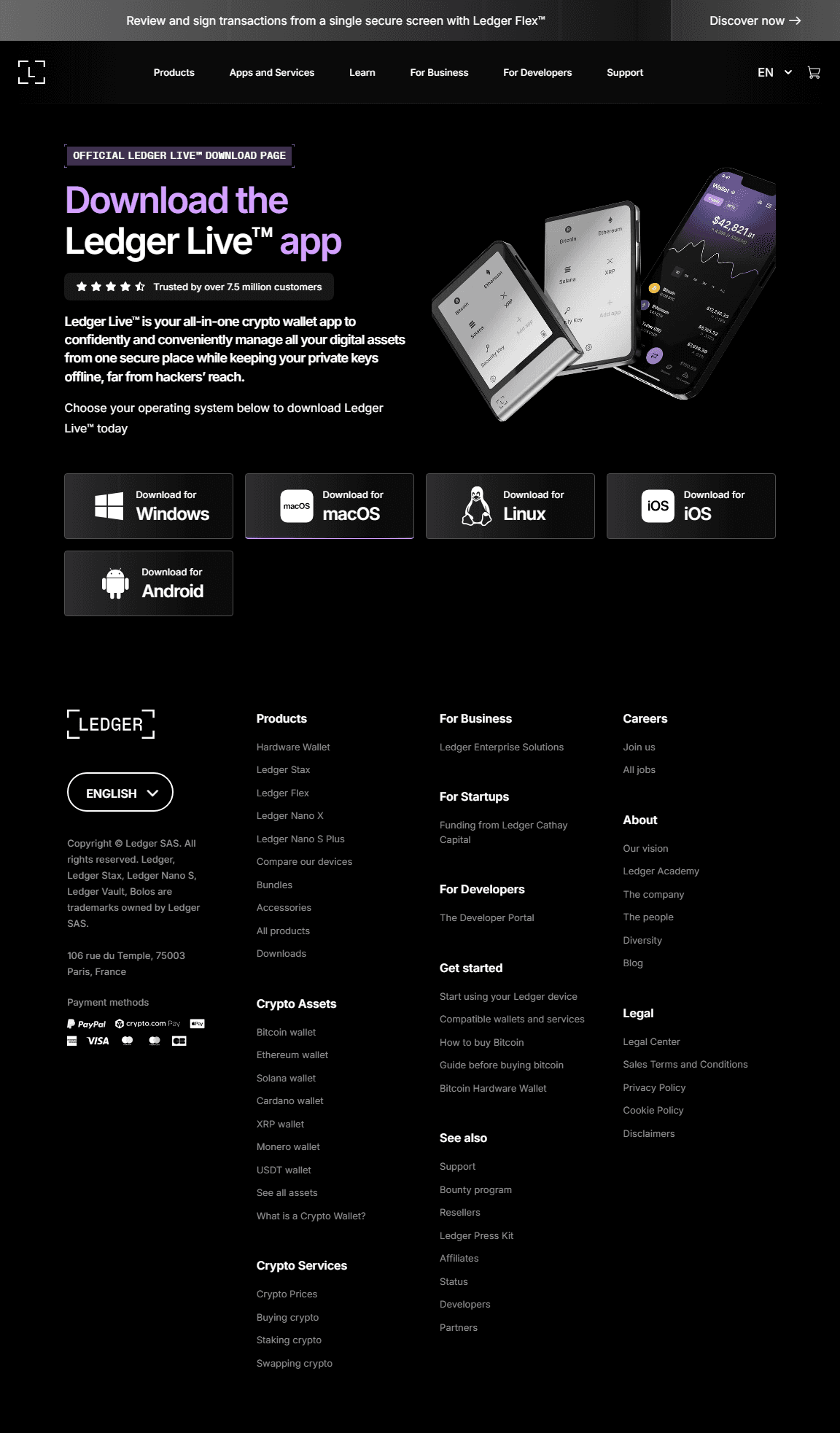
Download and Install Ledger Live: Ledger Live is available for both desktop and mobile devices. Ensure you download the official application from Ledger’s verified sources to prevent fake versions that could compromise security.
Connect Your Ledger Hardware Wallet: Plug in your Ledger device via USB or connect via Bluetooth (if supported). Ensure your device is genuine and has not been tampered with.
Enter Your PIN: After connecting, the hardware wallet will prompt you for your PIN. This PIN is set during initial device setup and is required to unlock the wallet. Entering the correct PIN allows Ledger Live to read your accounts and balances.
Verify Device Authenticity: Ledger Live may prompt you to verify that the connected device is genuine. This step ensures the device firmware has not been compromised.
Access Your Accounts: Once verified, Ledger Live displays all linked cryptocurrency accounts. Users can view balances, transaction histories, and portfolio analytics. From here, sending, receiving, or staking assets becomes possible.
Security Features in Ledger Live Login
Ledger Live login is designed with multiple layers of security to protect your cryptocurrency.
PIN Verification: Access requires the correct PIN on the hardware wallet, providing a physical authentication step.
Offline Storage: Private keys never leave the device, which prevents online exposure.
Firmware Verification: Ledger Live checks the hardware wallet’s firmware to ensure it has not been tampered with.
Two-Step Transaction Authorization: After login, any action such as sending coins or staking requires manual confirmation on the device screen.
Recovery Phrase Backup: During device setup, users are given a recovery phrase. Ledger Live login works in conjunction with this backup, allowing wallet restoration if the device is lost or damaged.
Common Issues During Ledger Live Login
While logging into Ledger Live is typically smooth, users may encounter issues. Understanding these problems and their solutions ensures uninterrupted access:
Device Not Recognized: Sometimes Ledger Live may fail to detect the hardware wallet. This can result from USB connection issues, outdated firmware, or software glitches. Ensure the device is connected properly, firmware is up to date, and the latest version of Ledger Live is installed.
Incorrect PIN: Entering the wrong PIN multiple times will lock the device temporarily or, after repeated incorrect attempts, trigger a reset. Always keep your PIN secure and enter it carefully.
Outdated Firmware: Ledger Live may not allow login if the device firmware is outdated. Updating firmware requires following secure prompts on both the device and software.
Computer or Mobile Software Conflicts: Antivirus programs or USB connection restrictions can interfere with Ledger Live login. Temporarily disabling conflicting software or trying a different device may resolve the issue.
Best Practices for Ledger Live Login
To maximize security and convenience, users should follow these best practices:
Always Verify the Device: Ensure your Ledger hardware wallet is genuine and connected directly to your device without third-party adapters.
Use the Latest Software: Keep both Ledger Live and your hardware wallet firmware up to date.
Never Share Your PIN or Recovery Phrase: These are sensitive credentials, and sharing them can compromise your assets.
Check for Phishing Attempts: Only use Ledger Live downloaded from official sources. Avoid emails or websites claiming to offer Ledger login shortcuts.
Regularly Monitor Your Portfolio: Frequent login to check balances and transaction history ensures transparency and early detection of any irregular activity.
Logging in on Desktop vs. Mobile
Ledger Live is available on both desktop and mobile platforms, each offering advantages.
Desktop: Provides advanced analytics, detailed transaction history, and easier management of multiple accounts. Desktop login is ideal for users who need in-depth oversight of their portfolios.
Mobile: Offers convenience and flexibility, enabling users to log in and manage assets on the go. Devices like the Ledger Nano X support Bluetooth, allowing wireless connection for mobile Ledger Live login without compromising security.
Advanced Ledger Live Login Features
Ledger Live login also facilitates advanced functionality:
Multi-Account Management: Users can access multiple cryptocurrency accounts in a single session, allowing efficient portfolio oversight.
Staking and Rewards: After login, users can stake supported cryptocurrencies and track rewards directly within the app.
Transaction Signing: All transactions initiated after login require signing on the hardware wallet, ensuring funds cannot be moved without the user’s explicit confirmation.
App Management: Ledger Live login allows management of applications installed on the hardware device, essential for interacting with specific cryptocurrencies.
Troubleshooting Tips for Ledger Live Login
Even experienced users may face occasional login challenges. Here are some practical troubleshooting tips:
Restart Devices: Restart both the computer or mobile device and the Ledger hardware wallet to resolve temporary glitches.
Try a Different Port or Cable: USB connection issues can be solved by switching ports or using a verified cable.
Update Software: Always install the latest version of Ledger Live and hardware firmware to avoid compatibility issues.
Check Permissions: Ensure Ledger Live has permission to access the connected device on your operating system.
Seek Community Support: Ledger provides support and documentation that can assist with recurring login issues.
Conclusion
The Ledger Live login process is central to managing cryptocurrency securely. By combining a hardware wallet with Ledger Live, users can access their portfolio while keeping private keys offline, protecting assets from hacks and unauthorized access. The login process is not just about access—it is a comprehensive security mechanism involving PIN verification, firmware authentication, and transaction confirmation.
Understanding how to log in, troubleshoot issues, and follow best security practices ensures that your cryptocurrency portfolio remains safe while remaining accessible. Whether using a desktop or mobile version, Ledger Live login provides a secure, user-friendly interface for managing multiple assets, staking cryptocurrencies, and monitoring portfolio performance.
For anyone serious about cryptocurrency, mastering Ledger Live login is essential. It ensures that every transaction is authorized, every account is secure, and your digital wealth is protected against threats. By following recommended practices and staying vigilant, users can enjoy the convenience and power of Ledger Live without compromising security.